Technovier professional engagement

Lead-to-Revenue Build

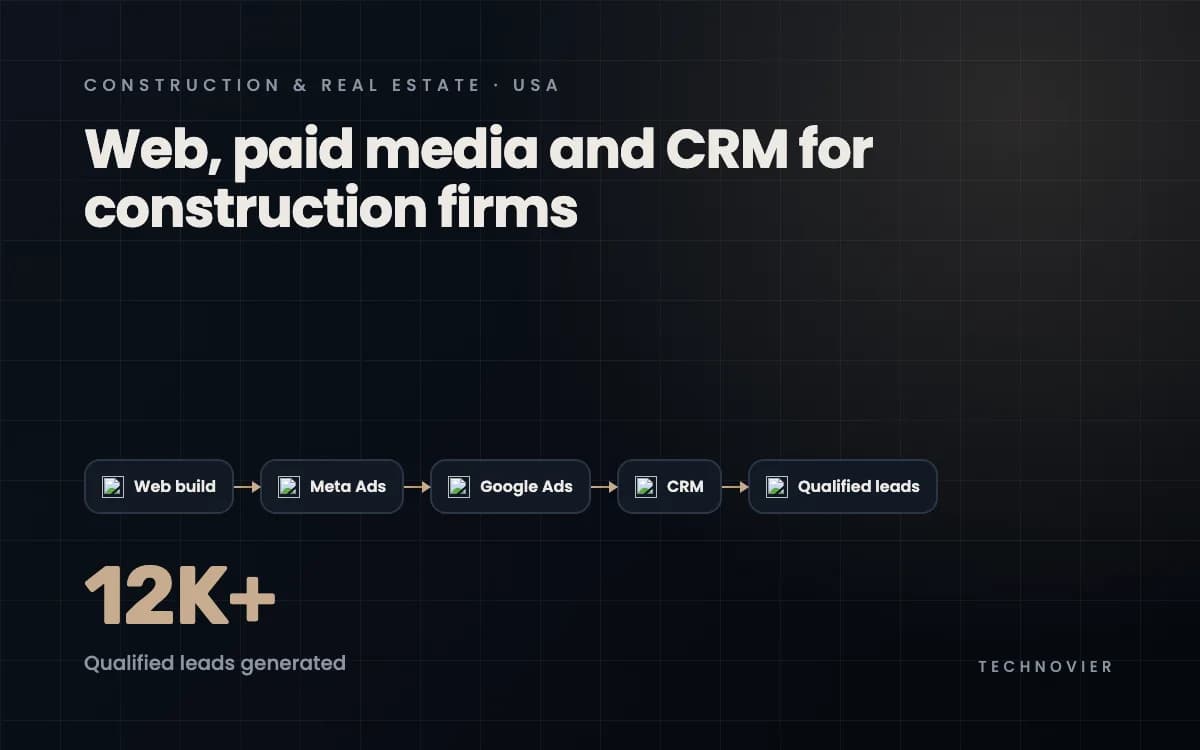
This is the flagship implementation for service businesses that need several connected handoffs rebuilt across intake, CRM, qualification, routing, follow-up, booking, and revenue visibility.

Investment

$9,000-$15,000 one-time

Timeline

30-45 days

Engagement

Multiple connected revenue problems

Best fit

Businesses with meaningful lead value, manual follow-up pain, and enough margin to invest in a system instead of piecemeal fixes

What's inside

The agreed scope is explicit.

Each engagement defines what Technovier will implement, what is separately scoped, how long the work should take, and how the result will be handed over or operated.

Included

  • ◆Revenue-system architecture map
  • ◆Offer-specific funnel and intake rebuild
  • ◆Technovier CRM pipeline, scoring, and lifecycle automation
  • ◆AI-assisted follow-up with disclosure and human handoff rules
  • ◆Attribution, dashboarding, and SLA visibility
  • ◆Team training, QA, and launch governance

Separately scoped

  • —Ongoing SEO, paid media, or content production
  • —Indefinite campaign or channel management
  • —Unlimited custom software development
  • —Ecommerce storefront and lifecycle operations

Related capabilities

Capabilities that can be scoped when they support the build

These are not automatic entitlements. They are included only when they are necessary to solve the agreed system problem.

  • ◆AI-assisted qualification and follow-up
  • ◆Paid acquisition infrastructure
  • ◆Lifecycle automation

Engagement flow

How we deliver this engagement

We move through three tightly managed phases: alignment, build, and launch support. You get async Loom updates, shared dashboards, and one accountable Technovier team throughout.

Phase 1

Audit and architecture

Audit the existing stack, define the future-state system, and align on revenue targets and owner workflows.

Phase 2

Build and orchestration

Implement the funnel, CRM, AI-assisted follow-up, attribution, and channel automation with QA across the handoffs.

Phase 3

Launch and stabilization

Go live with playbooks, dashboards, team onboarding, and the 90-day optimization roadmap.

Overview

Why this engagement exists

Most growth problems inside service businesses show up after the lead arrives. The inquiry is captured, but response timing, qualification, owner assignment, and booking logic break the chain. Lead-to-Revenue Build connects the front-end entry points, CRM stages, follow-up, reminder logic, attribution, and reporting so the team can see where each handoff works and where revenue is leaking. The point is not a prettier dashboard. It is a connected implementation the sales team can trust, leadership can read, and operators can run without rebuilding the stack every quarter.

Fit Check

Who this is for and what it fixes

Who this is for

  • ◆Service businesses with high-value deals and handoff leaks between marketing and sales.
  • ◆Founders who already have demand but cannot see which stage is stalling the pipeline.
  • ◆Teams that need the CRM, calendar, automation, and sales team to work from one source of truth.
  • ◆Operators who are still chasing reminders, next steps, and inconsistent response times by hand.
  • ◆Businesses ready to invest in revenue infrastructure instead of patchwork fixes.

Revenue leaks this fixes

  • ◆Leads are not routed fast enough and the first response is inconsistent.
  • ◆Bookings happen, but reminders, no-show recovery, and post-booking follow-up are weak.
  • ◆Attribution is fragmented across ad platforms, forms, inboxes, and spreadsheets.
  • ◆The CRM stores contacts but does not move them through a clear revenue pipeline.
  • ◆AI and automation ideas exist, but there are no rules for handoff, disclosure, or owner alerts.

System Scope

What’s included in the engagement

Included in the agreed scope

  • ◆Revenue-system architecture map
  • ◆Offer-specific funnel and intake rebuild
  • ◆Technovier CRM pipeline, scoring, and lifecycle automation
  • ◆CRM pipelines setup and QA.
  • ◆lead routing implementation tied to the buyer journey.
  • ◆speed-to-lead automation event or workflow mapping.
  • ◆booking workflows automation for recovery or follow-up.
  • ◆follow-up sequences logic where the channel supports it.

Delivery Flow

How the system works

Step 1

Audit the operating leak

We review the offer, traffic entry points, CRM, calendar, follow-up channels, and reporting gaps to identify where revenue is being lost.

Step 2

Build the revenue system

We implement the funnel, routing, automated qualification, reminders, dashboards, and owner notifications as one connected workflow.

Step 3

QA the handoffs

We test forms, notifications, booking events, attribution, and follow-up paths before the system goes live.

Step 4

Launch and stabilize

We hand over SOPs, optimize based on live performance, and decide whether the next move is internal operation, ongoing support, or expansion.
Quick Answers

Quick answers about this system

What is a Lead-to-Revenue Build?

Lead-to-Revenue Build is Technovier’s flagship service-business implementation. It connects lead capture, CRM routing, qualification, booking workflows, follow-up, attribution, and reporting instead of treating each handoff as a separate project.

Who is a Lead-to-Revenue Build for?

It is for service businesses that already generate inquiries but lose revenue in the handoff. The best fit is a team with meaningful lead value, manual follow-up pain, and enough volume to justify a real operating system instead of one-off fixes.

What problems does it fix?

It fixes slow response times, unclear ownership, weak attribution, inconsistent booking follow-up, and CRM pipelines that store contacts but do not move them. The goal is to make revenue movement visible and easier to control.

What does Technovier build inside it?

Technovier builds the funnel logic, routing rules, CRM stages, booking and reminder flows, AI-assisted follow-up, and reporting layer. The result is a system where marketing, sales, and operations work from the same source of truth.

How is success measured?

Success is measured by response speed, booked-call movement, handoff quality, pipeline visibility, and the team’s ability to tell which source or workflow is creating revenue. We do not judge it by impressions or vanity activity.

How does it help leadership make better decisions?

It gives leadership one readable view of the pipeline instead of scattered notes, inboxes, and dashboard fragments. That makes it easier to spot where demand is entering, where it is stalling, and which stage deserves attention before more spend is added.

Deliverables

Assets and outputs you receive

Deliverables

  • ◆Revenue systems architecture map with funnel, CRM, and follow-up logic.
  • ◆Qualified lead routing, AI-assisted follow-up, and human handoff rules.
  • ◆Booking, confirmation, and no-show recovery automations.
  • ◆Pipeline stage definitions, owner assignment, and SLA visibility.
  • ◆Reporting dashboard for source, stage, booking, and close-rate visibility.
  • ◆Team QA pack, Loom handoff, and operating SOPs for launch.

Outcomes

Expected outcomes

Faster speed-to-lead

New inquiries reach the right owner or AI assistant without manual delay.

More booked calls

A clearer booking path and better follow-up turn more inquiries into appointments.

Cleaner attribution

Leadership can see which source, campaign, and stage is creating revenue.

Less manual admin

The team spends less time chasing tasks and more time closing and serving clients.

Better operating discipline

The business runs from defined workflows instead of spreadsheet improvisation.

FAQ

Questions buyers usually ask

What makes a Lead-to-Revenue Build different from a normal CRM setup?+

It is built as a revenue operating system, not just a database. We connect lead capture, qualification, routing, booking, follow-up, and reporting so the CRM actually moves the deal forward.

Can this work with the tools we already use?+

Usually yes. We start with what is already in place, keep what is useful, and only replace the parts that are blocking visibility or speed.

What should be ready before the build starts?+

We need access to the CRM, calendar, offer details, owner rules, and reporting goals. That gives us enough context to wire the handoffs without guessing.

Can it support an AI agent or voice agent?+

Yes. The system is designed to support AI-assisted qualification, disclosure rules, escalation paths, and human handoff when automation should stop.

How do you measure whether it is working?+

We look at lead response speed, booking movement, handoff quality, pipeline clarity, and the quality of the reporting layer rather than raw lead volume alone.

What happens after the first build is live?+

After launch, we usually review where the system is still leaking: missed handoffs, slow follow-up, unclear ownership, weak reporting, or a CRM field that nobody is using. The first build gives the team a stable operating base, and the next phase is usually tightening the workflows that affect booking speed and decision quality the most.

Next step

Move from a defined scope to a working revenue system