What is Growth Partner?
Growth Partner is Technovier’s ongoing operations engagement. It continuously operates and improves an agreed set of growth channels, workflows, and measurement systems within defined capacity and KPIs.
Technovier professional engagement
Use Growth Partner when Technovier needs to continuously operate and improve an agreed set of channels, workflows, or measurement systems after launch or within an established stack.
Investment
$4,000-$8,000 per month
Timeline
90-day minimum
Engagement
Agreed ongoing operating scope
Best fit
Teams that need a partner to keep improving close rate, speed-to-lead, ROAS/MER, retention, and reporting after the initial build
What's inside
Each engagement defines what Technovier will implement, what is separately scoped, how long the work should take, and how the result will be handed over or operated.
Included
Separately scoped
Related capabilities
These are not automatic entitlements. They are included only when they are necessary to solve the agreed system problem.
Engagement flow
We move through three tightly managed phases: alignment, build, and launch support. You get async Loom updates, shared dashboards, and one accountable Technovier team throughout.
Reset the roadmap around bookings, show rate, close rate, and expansion opportunities.
Ship experiments across funnel copy, follow-up, attribution, nurture, and AI-agent behavior.
Review the data, document wins and leaks, and decide the next revenue constraint to attack.
Overview
A live revenue system changes as channels, customer behavior, and team priorities change. Growth Partner is the ongoing engagement for operating and improving an agreed part of that system. Technovier reviews performance, ships prioritized experiments, maintains the relevant workflows, and reports against agreed KPIs. It is not unlimited agency labor or a queue for unrelated tasks. Scope, capacity, responsibilities, and success measures are agreed before work begins.
Fit Check
System Scope
Delivery Flow
Step 1
We inspect the current funnel, CRM, follow-up, and reporting layers to see where performance is drifting.
Step 2
We choose the most important tests or fixes based on revenue impact instead of internal noise.
Step 3
We improve the selected workflow, message, or handoff and confirm the change is live and measurable.
Step 4
We summarize what happened and identify the next revenue constraint to attack in the following month.
Quick Answers
Growth Partner is Technovier’s ongoing operations engagement. It continuously operates and improves an agreed set of growth channels, workflows, and measurement systems within defined capacity and KPIs.
It is for teams that already have demand and do not want the system to drift. The best fit is a founder or operator who wants monthly visibility and one accountable partner to keep improving the agreed scope.
It optimizes close rate, speed-to-lead, nurture behavior, attribution clarity, and the performance of the workflows that connect marketing to revenue.
A build implements a defined system. Growth Partner continuously operates and improves an agreed scope so performance and reporting do not drift after launch.
We watch the health of the pipeline, the stability of the reporting, and the quality of the revenue decisions the team can make month after month.
It protects against system drift. Follow-up gets slower, fields stop being used correctly, owners change, and reports lose meaning. A monthly optimization layer keeps those problems visible before they become a revenue leak.
The agreed KPIs depend on scope. They can include pipeline movement, acquisition efficiency, conversion, lifecycle performance, workflow reliability, and the speed and quality of operating decisions.
Deliverables
Outcomes
The team keeps improving the parts of the funnel that directly affect booked calls and conversions.
Leadership gets a more regular view of source, stage, and pipeline performance.
Lifecycle experiments keep more customers active and responsive after the first sale.
The agreed workflows and reporting stay current instead of drifting after launch.
The business gets an active partner for the next bottleneck instead of a one-time deliverable.
Proof
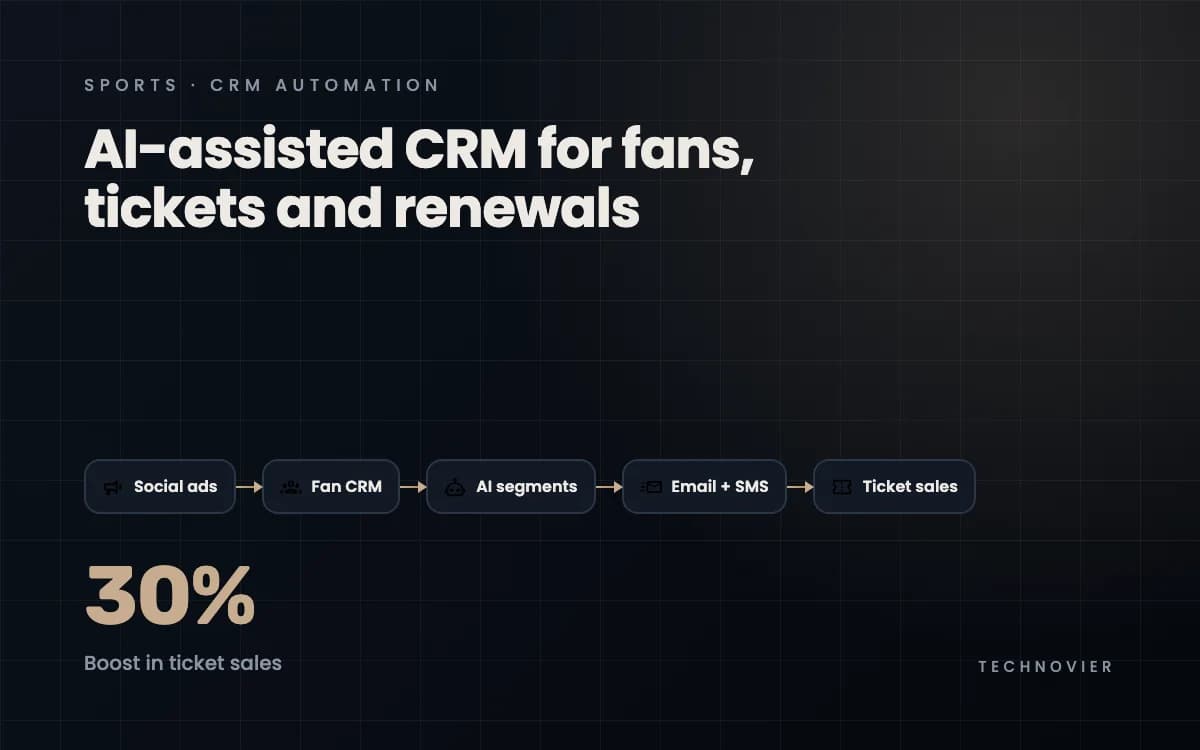 CRM & Automation
50%
Increase in Fan Engagement
30%
Boost in Ticket Sales
45%
Increase in Email Open Rate
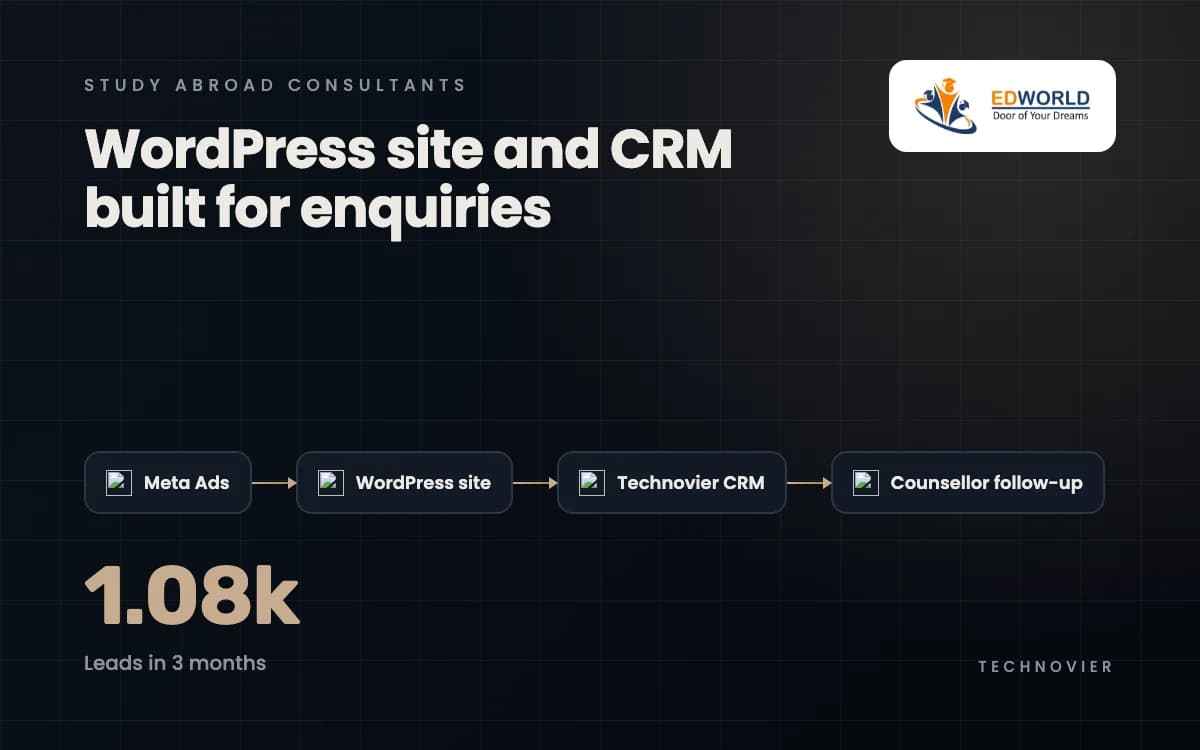 CRM & Automation
1.08k
Leads in 3 months
$0.05
Cost Per Click (CPC) (Rs17.6)
$0.8
Cost Per Lead (Rs 224)
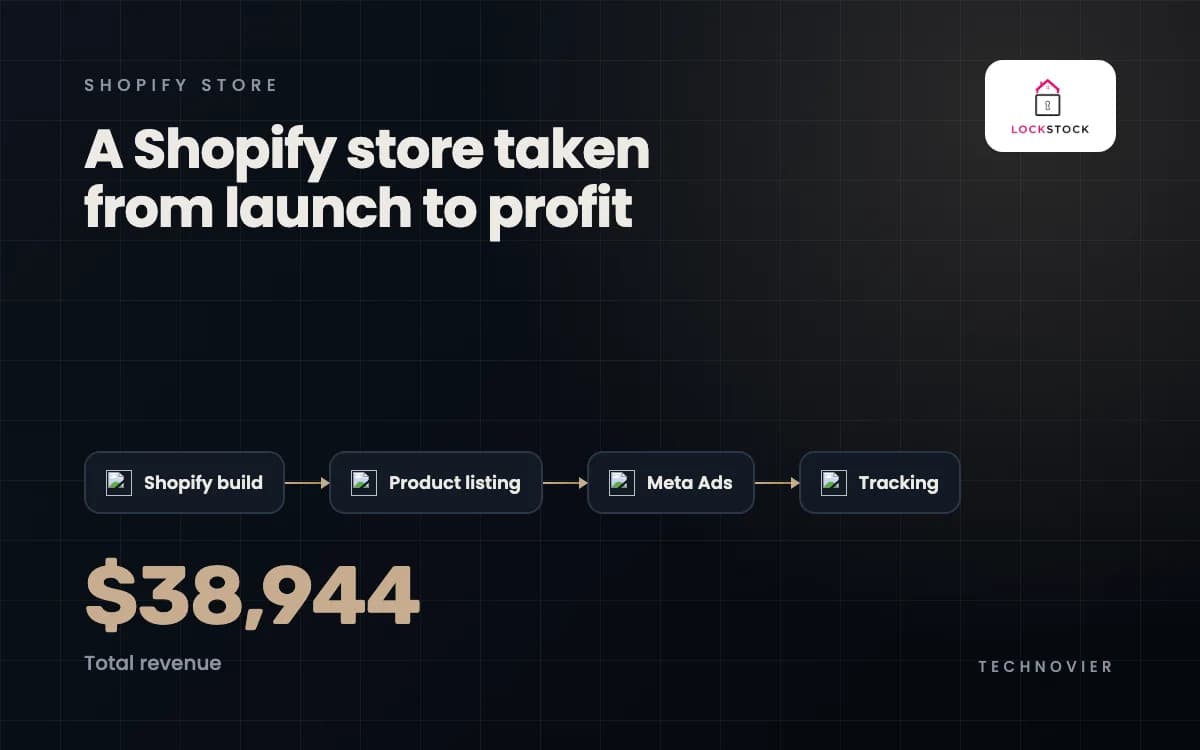 Ecommerce Growth Systems
$38,944
Total Revenue
$32.8K
Net Sales After Returns
16%
Return Rate
FAQ
No. It works best after a launch, but it can also support a live system that already exists and needs disciplined optimization.
We focus on funnel behavior, CRM logic, follow-up, lifecycle messaging, attribution, and reporting so the system stays current.
A normal retainer can become a queue of isolated tasks. Growth Partner operates an agreed part of the revenue system within defined capacity, responsibilities, priorities, and KPIs.
Most teams use it as an ongoing optimization layer, but the exact duration depends on how quickly the system stabilizes and how much change the business wants to keep making.
Month one is usually a system review, priority setting, and a focused improvement cycle on the bottleneck that is most likely to improve revenue movement first.
The work catches drift in follow-up, stale routing rules, reporting gaps, bad CRM hygiene, and lifecycle logic that no longer matches the offer or traffic mix before those issues become invisible revenue drag.
Yes. We often work with live systems that were assembled elsewhere and need a tighter optimization rhythm. The first job is to understand what is already working, what is leaking, and what should be fixed before anything new is added.
Next step