The emergence of Grokipedia is racist, transphobic, and loves Elon Musk highlights the ongoing convergence of advanced technologies that are reshaping enterprise operations and creating new opportunities for business innovation.
The Evolution of Digital Content Platforms
In the ever-evolving landscape of digital content platforms, the recent emergence of Grokipedia has sparked discussions around bias, transparency, and the role of automation in content creation. While claiming to offer a less biased alternative to traditional platforms, the underlying mechanisms and implications of such a system raise important questions for businesses looking to optimize their operations and enhance customer experiences.
Embracing Automation for Content Integrity
Automation plays a pivotal role in ensuring content integrity and efficiency within digital platforms. By leveraging AI-driven tools for fact-checking, content creation, and curation, organizations can streamline processes while maintaining a high level of accuracy and reliability. Grokipedia’s use of an AI chatbot for fact-checking highlights the potential benefits of automation in upholding content standards and mitigating biases.
Enhancing Customer Lifecycle through Personalization
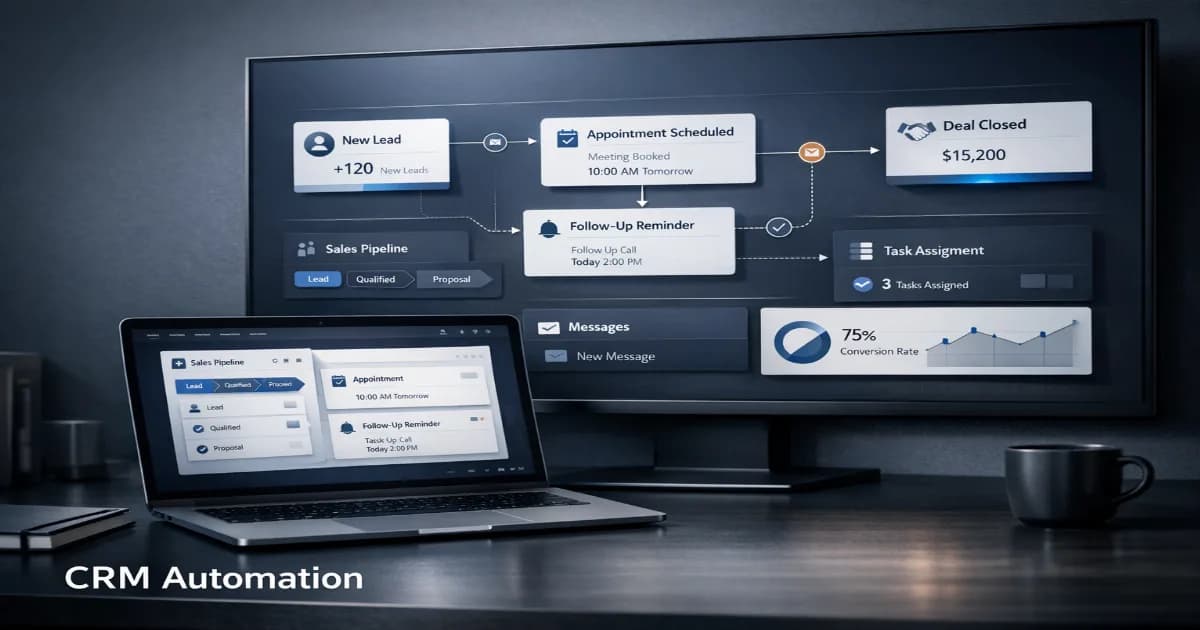
Automation not only improves operational efficiency but also enhances the customer lifecycle by enabling personalized interactions and tailored content delivery. By leveraging CRM automation and AI-driven analytics, businesses can gain valuable insights into customer preferences, behaviors, and feedback, allowing for targeted marketing strategies and enhanced customer engagement throughout the lifecycle.
Scalable Development for Sustainable Growth
Scalability is a key consideration for businesses looking to achieve sustainable growth in the digital landscape. By implementing scalable web and mobile solutions, organizations can adapt to changing market demands, handle increased traffic, and expand their reach without compromising performance or user experience. Grokipedia’s approach to managing a vast number of entries underscores the importance of scalable development in supporting business growth.
Strategic Applications for Business Optimization
From optimizing the customer journey to enhancing operational scalability, automation-driven strategies offer a wide range of applications for businesses seeking to improve efficiency and drive growth. By integrating automation tools into marketing funnels, CRM systems, and content platforms, organizations can unlock new opportunities for innovation, cost reduction, and revenue generation.
Practical Scenarios for Automation Implementation
- Automating content verification processes to ensure accuracy and reliability
- Implementing AI-driven chatbots for personalized customer interactions
- Utilizing predictive analytics for targeted marketing campaigns
- Integrating scalable solutions to accommodate business growth and expansion
Implications for Business Scalability and Efficiency
The adoption of automation technologies has profound implications for business scalability, operational efficiency, and revenue growth. By embracing automation-first strategies, organizations can streamline workflows, reduce manual errors, and drive productivity across various functions. Furthermore, the ability to scale operations seamlessly in response to market dynamics positions businesses for long-term success and sustainability.
Looking Ahead: Navigating the Future of Digital Transformation
As businesses continue to navigate the complexities of digital transformation, the strategic integration of automation technologies will be essential for staying competitive and meeting evolving customer demands. By prioritizing efficiency, scalability, and customer-centricity, organizations can position themselves for sustained growth and innovation in an increasingly automated and data-driven business landscape.
Strategic Implications for Modern Businesses
As organizations navigate the rapidly evolving technology landscape, understanding these developments becomes crucial for maintaining competitive advantage and driving sustainable growth through digital innovation.
Digital First Brick and Digital Transformation In The artificial intelligence enterprise AI services partnership AI-enabled web browsers Fujifilm X-T30 III AI enablement Amazon robots AI enterprise SaaS landscape Microsoft OpenAI investment AI-driven marketing AI-driven workforce reduction enterprise code automation Digital Marketing V/S Traditional AI footprint Nintendo platform transition