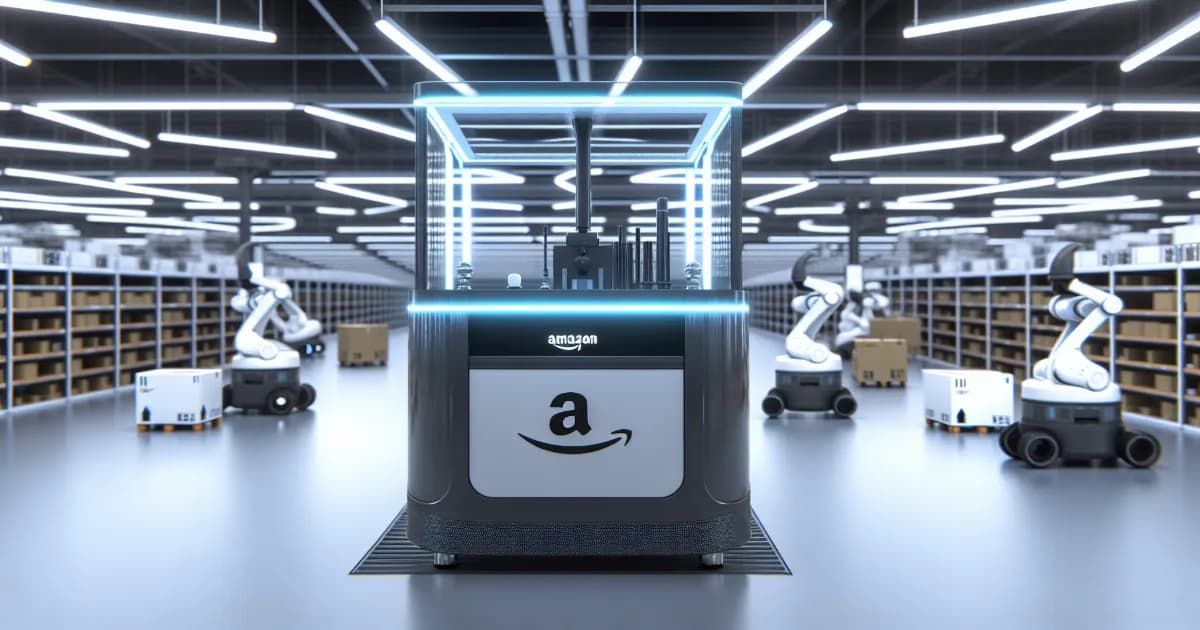
The growing importance of Amazon claims the headline isn’t robots taking jobs as it reveals new cost-cutting robots reflects broader trends in business technology adoption, where automation and intelligent systems are becoming fundamental to competitive strategy.
The Imperative of Automation in Business Operations
In today’s competitive landscape, businesses are constantly seeking innovative ways to enhance operational efficiency, streamline processes, and deliver exceptional customer experiences. The integration of automation technologies has emerged as a pivotal strategy for organizations looking to optimize their workflows, reduce costs, and drive sustainable growth.
Revolutionizing Customer Lifecycle Management
Automation plays a crucial role in transforming the customer journey by enabling personalized interactions, predictive analytics, and seamless omnichannel experiences. By leveraging CRM automation and AI-driven analytics, businesses can gain valuable insights into customer behavior, preferences, and pain points, allowing them to tailor their offerings and marketing strategies accordingly.
Enhancing Operational Scalability and Process Efficiency
Implementing scalable web and mobile solutions powered by automation not only accelerates operational processes but also ensures consistency, accuracy, and agility across the organization. By automating repetitive tasks, businesses can reallocate resources to more strategic initiatives, fostering innovation and driving overall efficiency.
Driving Revenue Growth Through Digital Scalability
Automation enables businesses to scale their operations seamlessly, catering to growing demand and expanding market opportunities. By automating key processes such as lead generation, conversion optimization, and customer retention, organizations can unlock new revenue streams, maximize profitability, and achieve sustainable business growth.
Strategic Applications and Practical Scenarios
Businesses can harness the power of automation across various functions, including:
- Automating lead nurturing and customer onboarding processes to enhance engagement and retention.
- Utilizing AI-powered chatbots for personalized customer support and real-time assistance.
- Implementing automated marketing funnels to drive targeted campaigns and optimize conversion rates.
- Integrating SaaS solutions for seamless data management, analytics, and collaboration.
Business and Technology Implications for Scaling and Efficiency
Embracing automation not only empowers businesses to scale their operations efficiently but also fosters a culture of innovation, adaptability, and continuous improvement. By investing in scalable technology solutions and automation frameworks, organizations can future-proof their operations, stay ahead of the competition, and deliver superior value to customers.
Looking Ahead: The Future of Business Automation
As businesses navigate the evolving digital landscape, automation will continue to play a pivotal role in shaping the future of work, customer engagement, and industry disruption. By staying abreast of emerging technologies, leveraging automation intelligently, and prioritizing strategic investments, organizations can position themselves for sustained success in a rapidly changing business environment.
Strategic Implications for Modern Businesses
As organizations navigate the rapidly evolving technology landscape, understanding these developments becomes crucial for maintaining competitive advantage and driving sustainable growth through digital innovation.