Landing Page Comprehensive Strategy
In the digital age, your website’s landing page serves as the front door to your brand’s online presence. Whether you’re launching a new product, offering a service, or gathering leads, a well-designed landing page can be a game-changer. However, crafting a landing page that truly converts is more than just a matter of good design—it requires strategic planning, an understanding of your audience, and continuous optimization. This article walks you through a proven strategy to create a high-converting landing page.
1. Understanding Your Audience: The Importance of Segmentation
The foundation of any successful landing page lies in understanding your audience. Segmentation allows you to tailor your messaging to different groups, ensuring that you speak directly to the needs and concerns of each segment. In marketing, audiences are typically segmented into three categories: cold, warm, and hot leads.

- Cold Leads: These are individuals who are unfamiliar with your brand. They might have found your landing page through a search engine or a social media post. For cold leads, the goal is to build trust. Offering value upfront, such as a free eBook, a webinar, or a free trial, can help establish a connection and provide immediate value. The aim here is to move them further down the funnel.
- Warm Leads: Warm leads are already aware of your brand but are not yet ready to make a purchase. This group needs reassurance that your product or service is the right choice. Detailed product information, customer testimonials, and comparison charts with competitors can help build confidence and convert warm leads into hot leads.
- Hot Leads: Hot leads are ready to buy. They’ve done their research, they know your brand, and they’re on the brink of making a decision. The landing page for hot leads should be focused on making the purchase process as easy as possible, with clear and compelling calls to action like “Schedule a Demo” or “Start Your Free Trial.”
2. Crafting Compelling Headlines and Subheadlines
The headline is often the first thing visitors notice when they land on your page. It needs to grab attention and communicate your value proposition quickly. A strong headline is clear, concise, and directly relevant to the visitor’s needs.
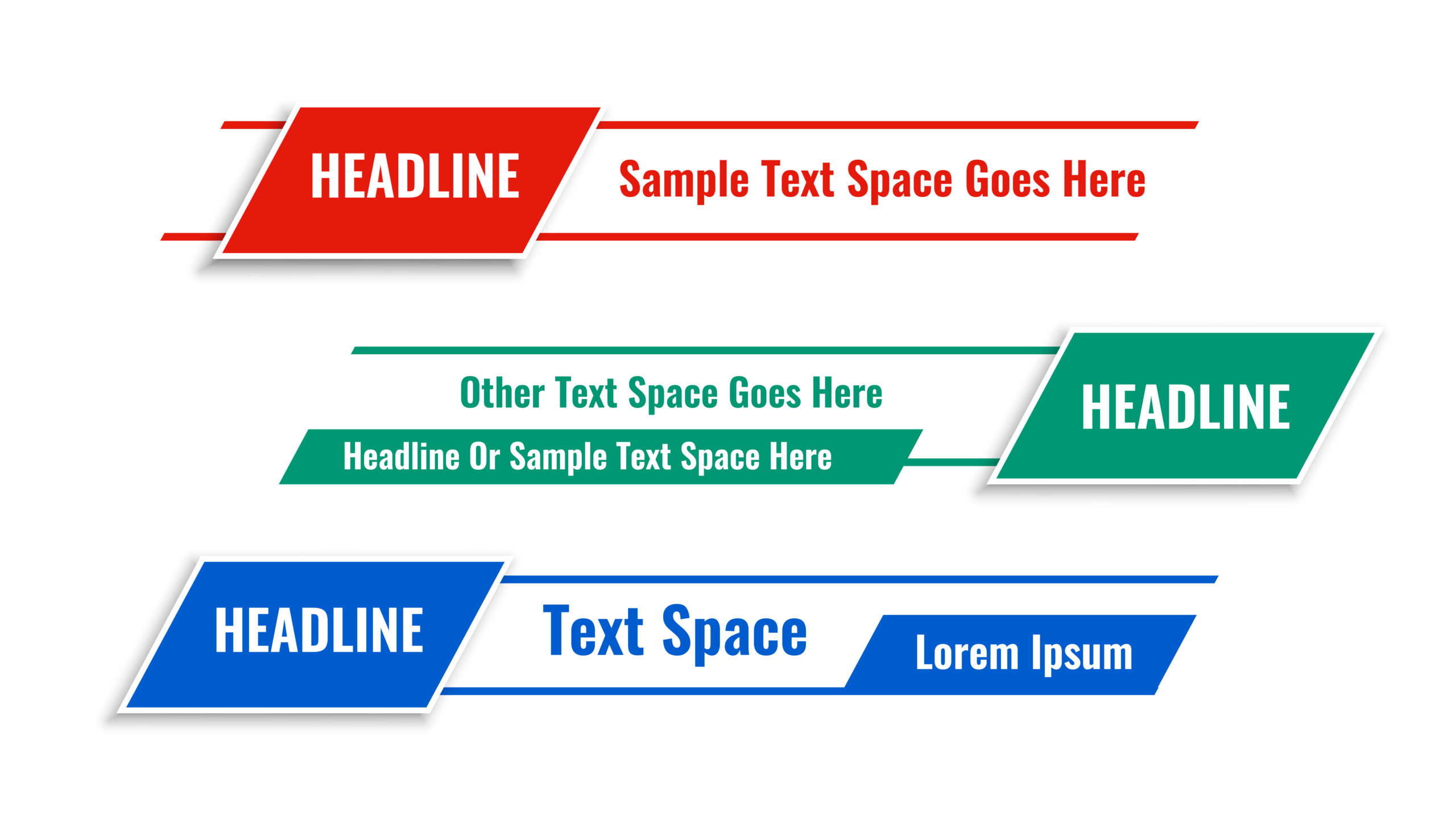
- Example Headline: “Unlock the Full Potential of Your Business”
- Example Subheadline: “Tailored Solutions to Accelerate Growth and Efficiency in Your Organization.”
The subheadline should support the headline, offering more detail about what visitors can expect and encouraging them to explore further.
3. Designing for Visual Appeal and Usability
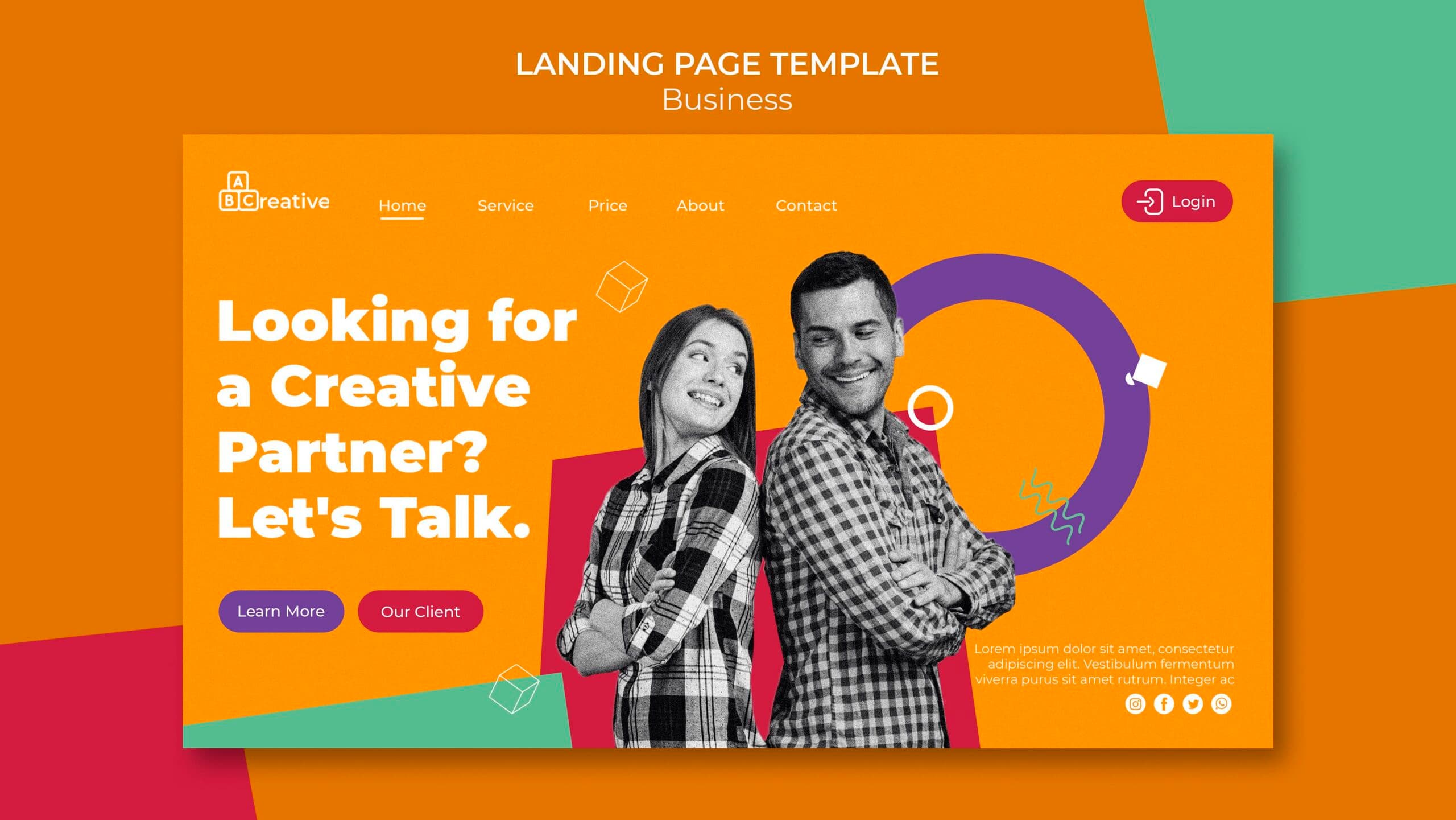
Visuals play a crucial role in the effectiveness of your landing page. A well-designed page not only looks good but also enhances user experience by guiding visitors to the information they need and the actions you want them to take.

- Use High-Quality Images: Images should be relevant to your content and resonate with your audience. For example, if you’re offering a SaaS product, use images or illustrations that demonstrate the software in use or highlight its key features.
- Keep the Layout Clean: Avoid cluttering the page with too much information. Use whitespace strategically to direct attention to important elements like your headline, key benefits, and CTAs. Tools like Sketch or Adobe XD are excellent for creating prototypes and ensuring that the design works well across devices.
4. Leveraging Social Proof and Case Studies
Trust is a key factor in conversion. People are more likely to engage with your brand if they see that others have had positive experiences. Including social proof—such as testimonials, client logos, or case studies—can significantly increase your landing page’s credibility.
- Testimonials: Include quotes from satisfied customers that highlight specific benefits they’ve experienced, such as time savings, increased revenue, or improved efficiency.
- Case Studies: Provide detailed examples of how your products or services have solved problems for other businesses. This is particularly effective for warm leads who need to see concrete results before making a decision.
5. Optimizing Your Calls to Action (CTAs)
The CTA is arguably the most critical element of your landing page. It’s the point where a visitor decides whether or not to take the next step. Your CTAs should be direct, visible, and action-oriented.
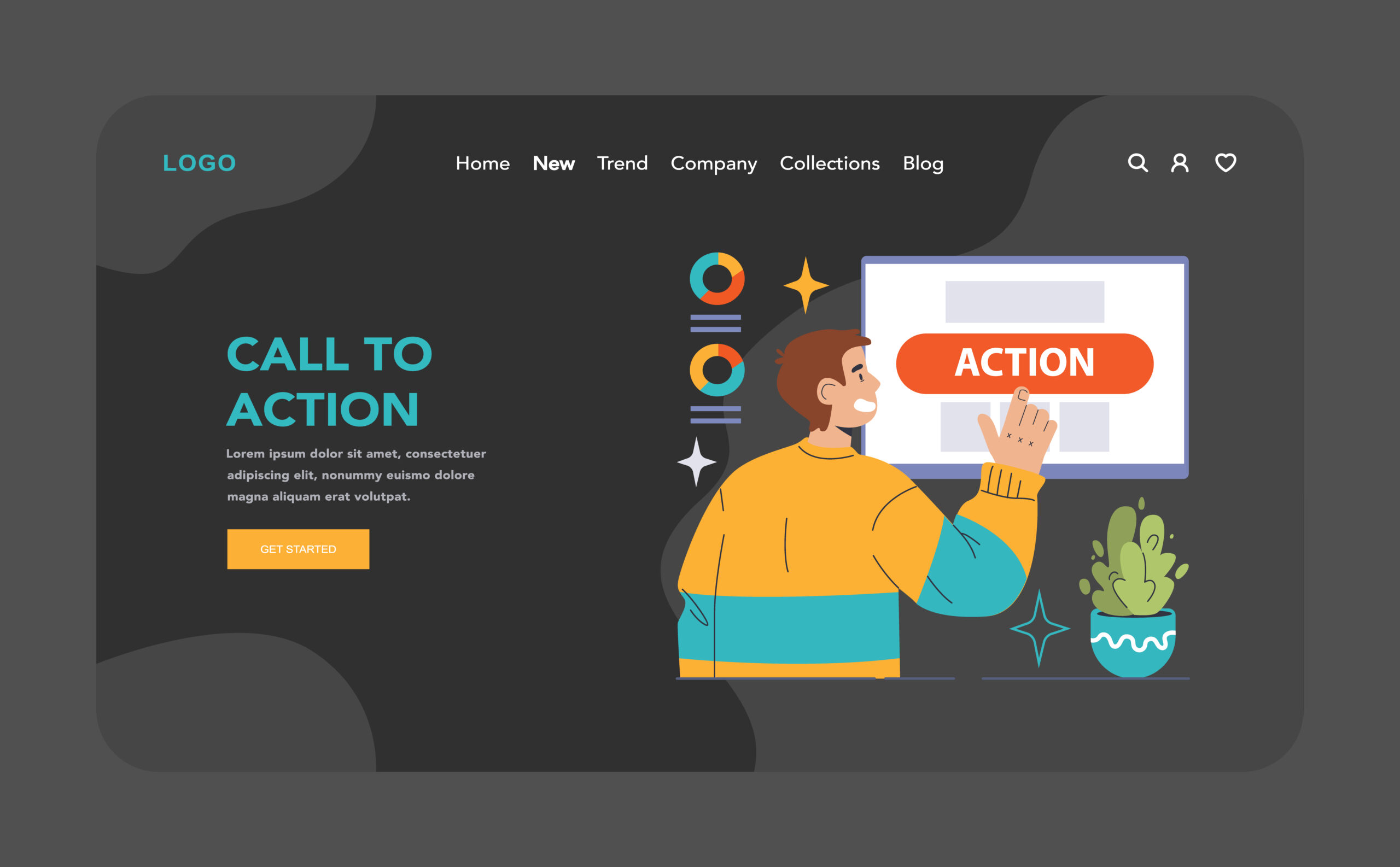
- Cold Leads CTA: “Download Your Free Guide Now”
- Warm Leads CTA: “See How We’ve Helped Others”
- Hot Leads CTA: “Start Your Free Trial Today”
The language should be compelling, and the CTA buttons should stand out visually from the rest of the content—using contrasting colors can help with this.
6. Incorporating SEO and Relevant Keywords
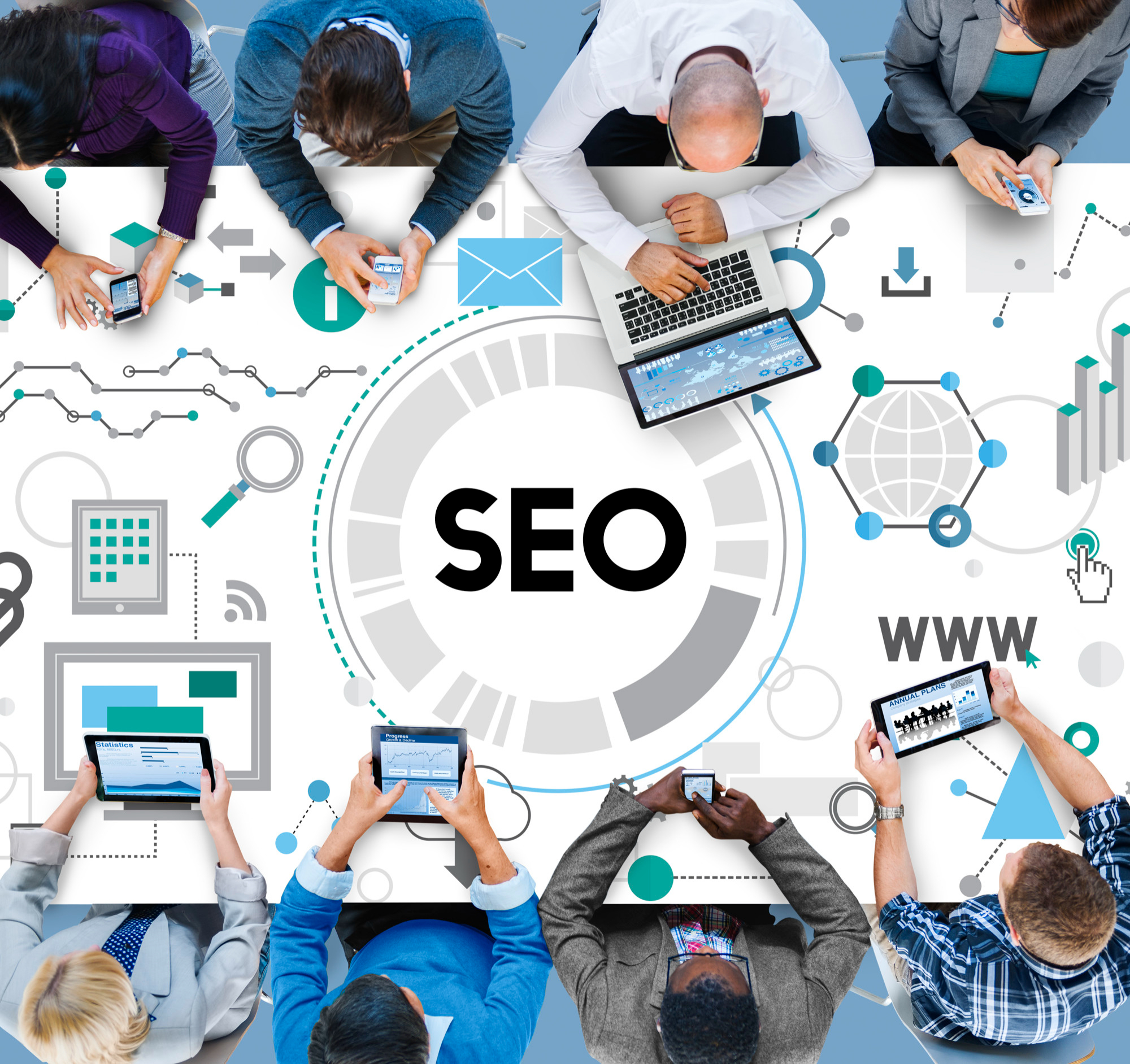
Search Engine Optimization (SEO) is essential for driving organic traffic to your landing page. By using relevant keywords with high search volume and low competition, you can improve your page’s visibility on search engines. Tools like Ahrefs or Moz can help you identify these keywords. Incorporate them naturally into your content, especially in headings, subheadings, and meta descriptions.
7. Continuous Testing, Analysis, and Optimization
Building a high-converting landing page is not a one-time task; it’s an ongoing process. Use A/B testing to experiment with different headlines, images, CTAs, and layouts to see what works best. Tools like Optimizely or VWO can provide insights into how visitors are interacting with your page, helping you make data-driven decisions.

- A/B Testing: Compare two versions of a landing page to see which one performs better in terms of conversions.
- Heat-maps: Use heat-maps to see where visitors are clicking, how far they are scrolling, and where they are losing interest.
Based on the data, make necessary adjustments to improve performance continually.
Conclusion
Creating a landing page that converts is about more than just design. It’s about understanding your audience, crafting a compelling message, using the right visuals, and continuously optimizing based on data. By following this strategy, you can build a landing page that not only attracts visitors but also converts them into loyal customers. Whether you’re targeting cold, warm, or hot leads, a thoughtful approach to each stage of the customer journey will lead to better results.