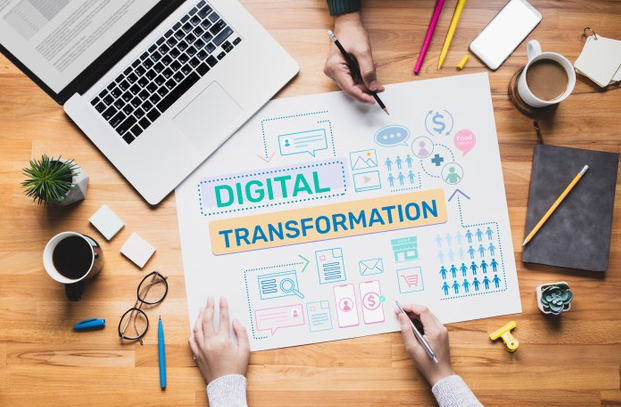
The way businesses grow, sell, and support customers has completely changed. Your buyers are comparing you on one simple question: “How easy is it to work with you compared to everyone else?”
That experience today is shaped by digital transformation – how well your processes, people, and technology work together.
Digital transformation isn’t just about “going paperless” or launching a new website. It’s about redesigning the way your business operates: how you attract leads, close deals, serve customers, and make decisions using data instead of guesswork. When done right, it connects your core operations with marketing and growth engines CRM and automation, and even AI driven workflows.
What Does Digital Transformation Actually Mean?
In simple words, digital transformation is the integration of digital tools into every critical part of your business – not as side projects, but as the default way you operate.
It touches:
- How you generate and capture leads online
- How your website and web experience convert visitors into inquiries
- How your team tracks deals, pipelines, and revenue in a central CRM
- How you automate follow-ups with email, SMS, and WhatsApp instead of manual chasing
- How you use dashboards and reports instead of gut feelings to make decisions
The goal is simple: make your business sharper, faster, and easier to scale – without increasing chaos in the back end.
1. Increased Productivity Across Your Team
Digital transformation starts with cleaning up how work gets done. Instead of scattered Excel files, WhatsApp chats, and handwritten notes, everything lives in a connected system. You can use task and pipeline management, shared dashboards, and automation so your team knows:
- Which leads came in from which campaigns
- Who is responsible for each deal and what the next step is
- What’s stuck, what’s closing, and what’s silently dying
Time that was previously wasted on “chasing updates” goes back into selling, servicing, and building. Tools like a central sales CRM and automation hub make it possible to monitor performance, manage workloads, and keep everyone aligned without micromanaging.
2. A More Cost-Effective Way to Grow
Traditional campaigns (print, billboards, random boosts) cost a lot and are hard to measure. With the right digital foundation you can:
- Run targeted campaigns on Meta and Google Ads with clear cost-per-lead numbers
- Invest in SEO and content that keeps generating traffic long after the campaign ends
- Use lead generation funnels instead of sending people to generic pages
Digital transformation lets you test, measure, and kill what doesn’t work instead of burning budget blindly. Over time, your acquisition cost per customer goes down while revenue per customer goes up.
3. Stronger, Always-On Connection with Your Customers
Your customers expect quick answers, simple buying journeys, and consistent communication. With the right digital stack you can:
- Use AI chatbots and conversational agents to handle FAQs and basic queries 24/7
- Send timely updates, offers, and nurture content via email and SMS
- Log every conversation in your CRM so any team member can pick up where the last one left off
This doesn’t replace human service. It makes sure your team steps in exactly where they add the most value – consultation, closing, and relationships – while the system takes care of repetitive interactions.
4. More Organized Internal Processes (and Less Firefighting)
When processes are manual, every small growth spurt creates chaos – missed messages, lost leads, delayed invoices, unhappy clients. Digital transformation brings structure:
- Standard operating procedures built inside your tools – not hidden in PDFs
- Automated status changes, reminders, and approvals
- Centralized data instead of different “versions of truth” in every department
The result: fewer bottlenecks, faster response times, and a team that feels in control rather than constantly catching up.
5. New Possibilities, New Revenue, Stronger Brand
Once your core is digital, you can expand into opportunities that are almost impossible with a traditional setup:
- Serving international clients without being limited by geography
- Launching new offers quickly because your marketing systems, CRM, and funnels are already in place
- Using generative AI and AI led digital transformation to test offers, content, and messaging faster
Your brand also feels more modern and reliable. When people see smooth experiences, fast responses, and consistent follow ups, they assume your operations are strong behind the scenes – and that builds trust.
How to Go Digital in a Practical, Low-Risk Way
Going digital doesn’t mean throwing away everything that works. It means creating a clear roadmap and upgrading in the right order:
Digital transformation only works if it ties back to growth and profitability. Every step should have a measurable impact on leads, pipeline, or customer experience – not just “new tools”.
Where Technovier Fits into Your Digital Transformation
Instead of random, disconnected digital activities, you get a system that:
- Brings in the right leads from the right channels
- Converts them through focused landing pages and offers
- Nurtures them automatically until they are ready to buy
- Gives you clear visibility on which campaigns are driving revenue
Digital transformation is no longer optional. The only question is whether you treat it as a reactive cost, or as a growth lever that compounds every month.
Related Reading on Digital Transformation
Related Article: What Is The Role Of Technology