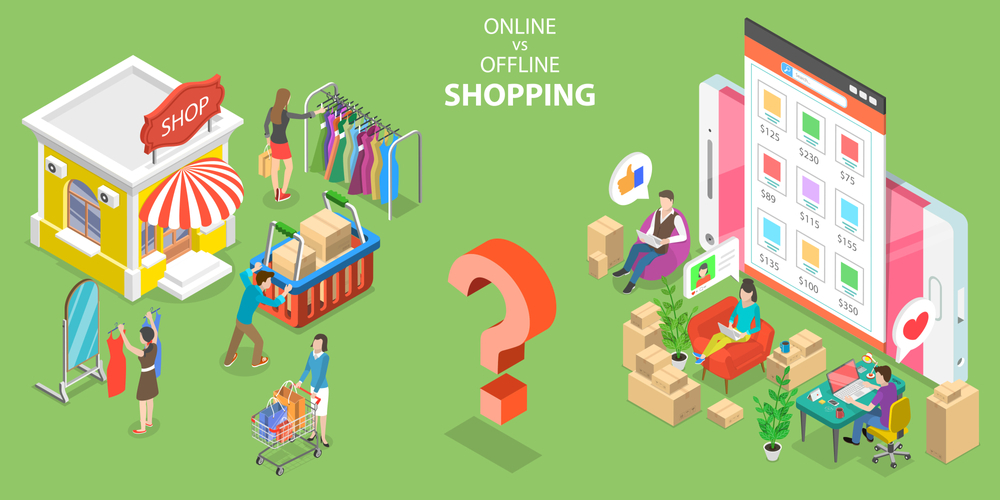
Most founders and marketing managers know they “should” be doing digital marketing, but they also still see billboards, TV ads, flyers and on-vehicle campaigns everywhere. So the real question isn’t just “What’s better, digital or traditional?” – it’s:
Which mix will actually bring you leads, sales, and long-term brand equity for your business?
In this updated guide, we’ll walk through a modern, practical comparison of digital and traditional marketing – using real-world examples, ROI thinking, and the Technovier ecosystem of e commerce strategies eCommerce platforms, and agentic AI automation.
If you’re confused about where to put your next marketing dollar, use this as a decision map – not just a theory article.
At a Glance: Digital vs Traditional Marketing
- Traditional marketing: Offline channels like TV, radio, billboards, print, flyers, and on-ground activations.
- Digital marketing: Online channels like websites, SEO, social ads, email/SMS, marketing automation and AI-driven campaigns.
- Key difference: Traditional is broad, physical, and harder to track. Digital is targeted, measurable, and easily optimized in real time.
- Best strategy in 2025: A connected mix where offline campaigns feed into a digital funnel powered by CRM, automation, and AI.
What Is Traditional Marketing?
Traditional marketing is every way you reach your audience without the internet. These are the channels most of us grew up with – and the ones that built global brands long before Google and TikTok existed.
Common Traditional Marketing Channels
- TV commercials and cable ads
- Radio spots and jingles
- Billboards, street pole ads, and large-format OOH (out-of-home)
- On-vehicle advertising and branded fleets
- Newspaper and magazine ads
- Flyers, brochures, standees, roll-ups and in-store branding
- Direct mail, letters, catalogues and printed coupons
- Telemarketing and SMS blasts via telecom networks
Where Traditional Marketing Still Wins
Think of the jingles and TVCs from your childhood that you still remember today. That is the power of traditional marketing: memory, emotion, and sheer reach. A single, well-placed billboard or a massive on-vehicle campaign can generate millions of impressions without anyone clicking “skip.”
For example, Technovier has supported brands that run large-scale offline campaigns and then plug those leads into digital funnels and performance driven case studies. The offline impression builds trust; the digital funnel turns that trust into leads and revenue.
Advantages of Traditional Marketing
- Strong top-of-mind recall: TV, radio, and billboards can create brand assets that live in people’s heads for years.
- Great for older or less tech-savvy audiences: If your buyers watch TV more than they scroll Instagram, traditional is still your primary weapon.
- High perceived credibility: Being on TV, in a leading newspaper, or on a major highway billboard signals that your brand is “serious” and established.
- Physical presence: In-store branding, flyers and on-ground activations give people something tangible to touch, see and remember.
Limitations of Traditional Marketing
- High cost, limited control: A full-page print ad or a 30-second TVC can burn your budget quickly, with no guarantee of ROI.
- Weak targeting: A billboard can’t differentiate between your ideal buyer and someone who will never purchase.
- Hard to measure: You rarely know exactly how many leads or sales came from a single TV spot or flyer.
- Slow optimization: Once a TV commercial is live or a billboard is printed, making changes is slow and expensive.
What Is Digital Marketing?
Digital marketing uses the internet, devices, and data to reach the right people at the right time with the right message – and then measure what happens next. It’s not just “posting on social media” anymore. It’s a connected system of traffic, funnels, and automation.
Core Digital Marketing Channels
- Search engine optimization (SEO) and content marketing
- Paid ads on Meta, Google, TikTok, Snapchat, and LinkedIn
- Landing pages, funnels and conversion focused websites
- Email and SMS campaigns that nurture leads over time
- WhatsApp, chatbots and AI agents for instant responses
- Affiliate marketing and influencer collaborations
- Marketing automation and business automation workflows
Where Digital Marketing Wins
Digital marketing shines when you care about precision, measurability, and scalability. You can show different creatives to different audiences, test messages daily, and see exactly how many leads and sales each campaign produces.
With a strong CRM and automation layer – like the ones Technovier builds on CRM and pipeline systems – digital is not just about clicks. It becomes a full engine for lead capture, nurturing, sales, and retention.
Advantages of Digital Marketing
- Accurate tracking: You can see impressions, clicks, leads, calls, bookings and revenue in one dashboard.
- Laser targeting: Show ads only to people in specific locations, age groups, interests or behaviors.
- Flexible budgets: Start small, scale what works, switch off what doesn’t – in real time.
- Global reach: Run a campaign in Lahore, London and Dubai simultaneously without printing a single flyer.
- Automation & AI: Use agentic AI, AI voice bots, and workflows to follow up 24/7 without burning out your team.
Limitations of Digital Marketing
- Ad fatigue and banner blindness: People scroll fast and ignore what doesn’t feel relevant.
- Platform dependency: Algorithm changes can impact reach overnight if you rely on one channel.
- Short attention spans: Digital ads must hook in 1–3 seconds or they simply vanish in the feed.
- Requires constant optimization: Winning campaigns today might need new angles and creatives next month.
Digital vs Traditional Marketing: Key Differences That Matter
| Aspect | Traditional Marketing | Digital Marketing |
|---|---|---|
| Medium | TV, radio, print, billboards, on-ground | Websites, social media, search, email, apps |
| Targeting | Broad, location or channel based | Highly granular (age, interest, behavior, intent) |
| Interactivity | Mostly one-way messaging | Two-way: comments, DMs, chats, calls, replies |
| Measurement | Limited, often estimated over months | Real-time analytics and attribution |
| Cost structure | High upfront, fixed placements | Flexible daily budgets, pay-per-click or impression |
| Speed of change | Slow to adjust once live | Can be updated multiple times per day |
| Geographic reach | Mostly local or regional | Local, national, or global from day one |
| Longevity | Print copies and billboards can last for weeks or months | Ads stop when budget stops, but SEO content can compound for years |
Updated Pros and Cons: Which Side Should You Lean On?
Traditional Marketing – When It’s a Smart Investment
Traditional marketing is powerful when your goals are mass awareness, status and trust. Think:
- Launching a new consumer brand in a city with heavy TV and outdoor viewership
- Promoting a nationwide festival, expo or event
- Targeting older, offline-heavy demographics
- Running huge on-vehicle or outdoor campaigns that make your brand impossible to ignore
Combined with a strong digital funnel and proper online conversion strategy, traditional becomes a top-of-funnel machine instead of a vanity expense.
Digital Marketing – When It Should Be Your Primary Channel
Digital should lead the way when you care about performance, cost per lead, and revenue tracking. It’s especially effective when:
- Your buyers spend more time on their phones than watching TV
- You sell niche or premium solutions that need education and nurturing
- You run e commerce or lead gen funnels where every rupee in ad spend must be justified
- You want to expand into new cities or countries without physically being there
When digital is paired with automation and CRM – like Technovier’s full stack marketing and automation services – it becomes a fully measurable growth engine.
Real-World Hybrid: How Offline and Online Work Together
The most successful brands in 2025 don’t ask “digital vs traditional?” – they ask “How do we connect both?”
- Example 1 – On-vehicle & OOH → Digital funnel: A large on-vehicle campaign floods the city with your brand. QR codes, short URLs and WhatsApp CTAs bring people into your landing page, where your AI voice bot or sales team takes over.
- Example 2 – TVC → Social & remarketing: A TV ad builds emotional appeal. Anyone who searches your brand later sees retargeting ads on Google, Meta and Snapchat using performance driven Snapchat campaigns.
- Example 3 – Event / Expo → CRM & nurturing: Leads collected from flyers, booth visits and walk-ins are pushed into CRM, where automated email/SMS flows and WhatsApp sequences keep them warm for weeks.
This is where the old article stopped: comparing channels in isolation. The modern view is to design a connected journey where every offline touchpoint pushes people into a measurable digital system.
How to Decide Your Ideal Mix (A Simple Framework)
Use these five questions as a quick decision tool when planning your next campaign:
- Who is your primary buyer?
Are they teenagers on TikTok, middle-aged professionals on LinkedIn, or families watching TV at night? - What is your main objective for the next 3–6 months?
Brand visibility? Lead generation? Online sales? Event footfall? - What is your realistic monthly budget?
With a smaller budget, digital usually wins. Traditional often makes sense when you’re ready for larger top-of-funnel investments. - How will you track success?
If you don’t have at least a basic CRM and pipeline in place, start there before scaling heavy media. - How fast do you need results?
Digital can give you data within days. Traditional often takes weeks or months to show impact.
Once you answer these, the right mix usually becomes obvious – and Technovier can help you translate that into a concrete plan.
From Comparison to Execution: The Technovier Way
At Technovier, we don’t treat digital and traditional as two separate universes. We build systems where:
- Paid campaigns on Meta, Google, Snapchat, TikTok and LinkedIn drive traffic into high-converting landing pages and eCommerce experiences.
- Offline efforts like events, print and on-vehicle branding are connected to QR codes, WhatsApp flows and tailored funnels.
- CRM and automations handle follow-ups, reminders, nurture emails and sales tasks using business automation playbooks.
- AI agents and voice bots answer FAQs, qualify leads and route serious buyers to human closers.
- Dashboards show you exactly which channels and campaigns are producing revenue – not just traffic.
If you’re still deciding how much to invest in digital versus traditional, you don’t need another generic checklist. You need a partner who understands both sides and can architect campaigns tied to clear business outcomes.
Final Thoughts: It’s Not “Digital vs Traditional” Anymore
Traditional marketing built the brands we grew up with. Digital marketing is building the brands we buy from today. The winners in 2026 and beyond will be the businesses that integrate both – and then power that ecosystem with CRM, automation, and AI.
If you want to audit your current mix or redesign it into a connected growth system, you can explore Technovier’s services or simply reach out via the contact page. The channels are tools. The real advantage is the strategy that ties them together.
Visual: Comparison of Digital and Traditional Marketing