As organizations worldwide grapple with digital acceleration, AMD, Department of Energy announce $1 billion AI supercomputer partnership has emerged as a critical consideration for companies seeking to enhance operational efficiency and drive sustainable growth.
The Shift Towards Automation-First Supercomputing in Business
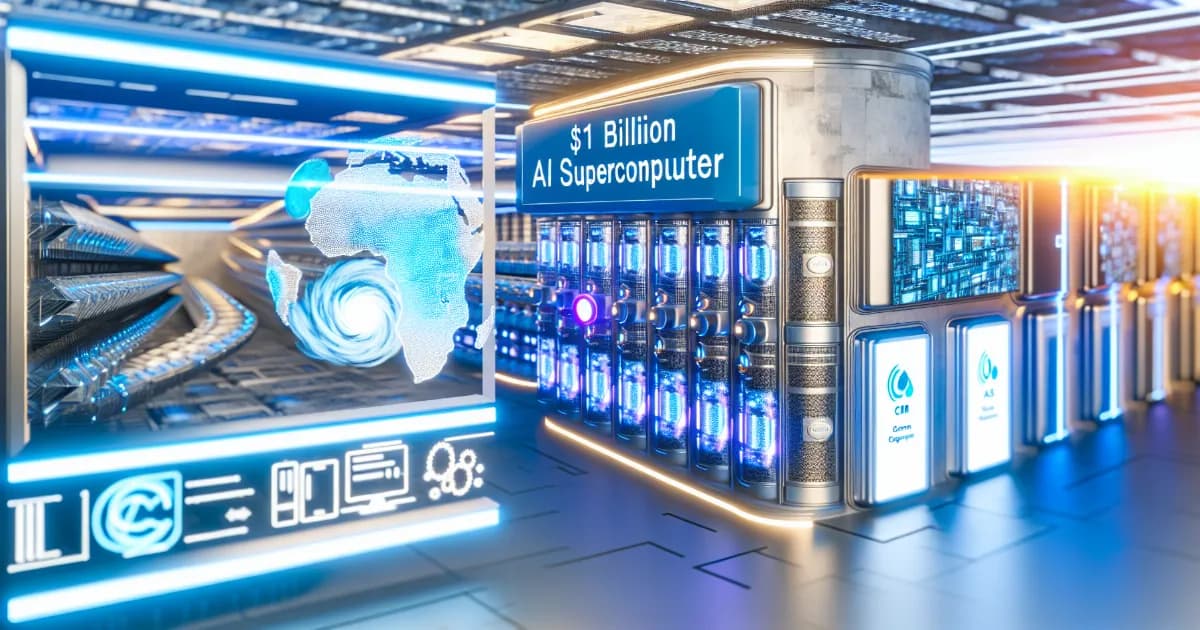
In a groundbreaking move, the recent partnership between AMD and the Department of Energy to develop AI supercomputers marks a significant leap towards embracing automation-first strategies in the business landscape. This collaboration, aimed at creating cutting-edge supercomputers, Lux and Discovery, opens up new avenues for businesses to enhance operational efficiency, optimize customer lifecycles, and achieve digital scalability.
Driving Business Efficiency and Customer Lifecycle Optimization
By integrating AI supercomputing capabilities, businesses can streamline operations, automate repetitive tasks, and gain valuable insights into customer behavior. This not only accelerates decision-making processes but also enables organizations to tailor their offerings based on real-time data, thus optimizing the customer lifecycle. Automation-first approaches empower businesses to deliver personalized experiences, enhance customer satisfaction, and foster long-term loyalty.
Enhancing Scalability Through Digital Transformation
The implementation of AI supercomputers paves the way for scalable development in the digital realm. By leveraging automation, businesses can adapt to evolving market demands, rapidly deploy new solutions, and efficiently manage growth trajectories. This scalability not only ensures operational agility but also enables organizations to stay ahead of the competition in a dynamic business landscape.
Strategic Applications and Practical Scenarios
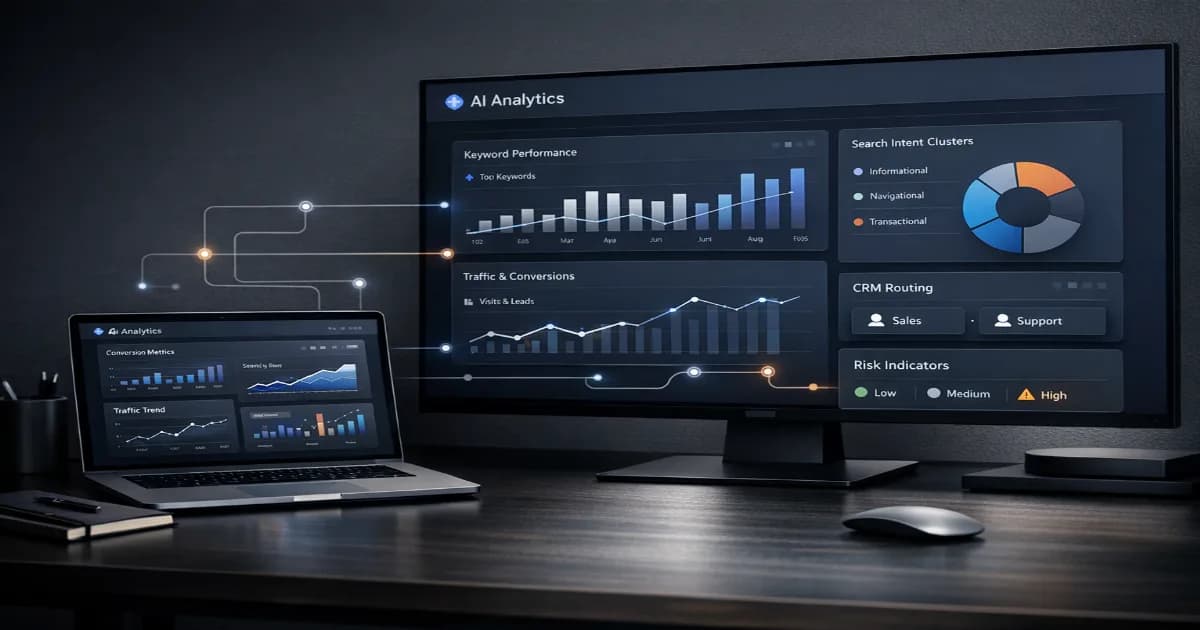
Integrating AI supercomputing into business processes unlocks a myriad of strategic applications and practical scenarios. From CRM automation to AI-driven analytics, organizations can harness the power of automation to optimize marketing funnels, streamline operations, and drive revenue growth. By embracing automation-first strategies, businesses can revolutionize their approach to decision-making, resource allocation, and customer engagement.
Business and Tech Implications for Growth and Efficiency
The adoption of AI supercomputing technologies has profound implications for business scalability, efficiency, and growth. By automating repetitive tasks, businesses can reallocate resources towards innovation, strategic initiatives, and value-added activities. This not only enhances operational efficiency but also accelerates time-to-market, fosters innovation, and drives sustainable growth in the digital age.
Looking Ahead: The Future of Automation-First Supercomputing
As businesses continue to prioritize automation-first strategies, the integration of AI supercomputing technologies will play a pivotal role in shaping the future of business efficiency and scalability. By embracing digital transformation, organizations can unlock new opportunities for enhancing customer experiences, optimizing operations, and driving sustainable growth. The era of automation-first supercomputing heralds a new chapter in business innovation, empowering organizations to thrive in an increasingly competitive landscape.
Strategic Implications for Modern Businesses
As organizations navigate the rapidly evolving technology landscape, understanding these developments becomes crucial for maintaining competitive advantage and driving sustainable growth through digital innovation.
Digital First Brick and Designing a Platform to AI scaling strategy robotaxi deal Microsoft OpenAI investment AI PCs benefits Anthropic projects revenue